Mul Gwishin: The Korean Water Ghost That Pulls You Under
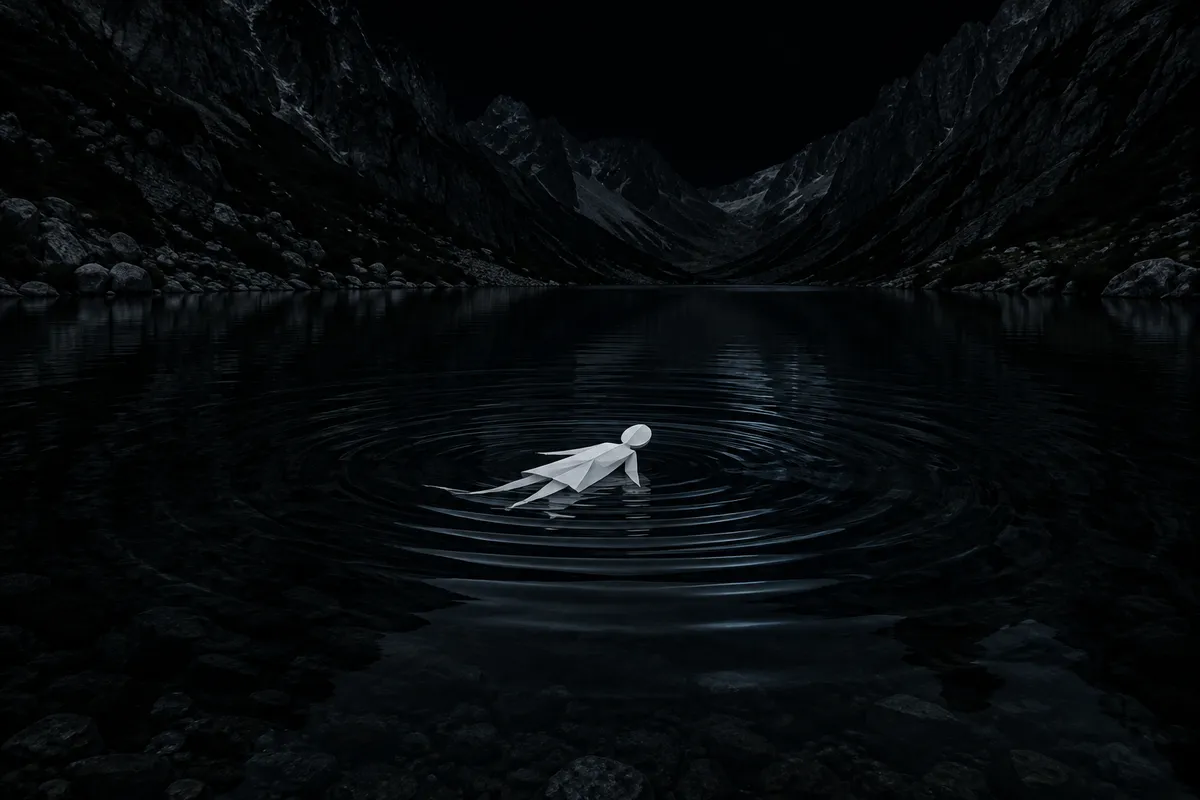
In Korea, there's a ghost that waits in rivers, lakes and the sea: the mul gwishin, or water ghost. It's the spirit of someone who drowned, and it's said to grab the ankles of swimmers and drag them down. Koreans even use "water ghost tactics" as a phrase for someone who drags others down with them. But behind the scary story is old grief and a moving ritual for those lost to the water. ▶ What is a mul gwishin? A mul gwishin is the spirit of a person who drowned. The stories share a common shape: - A drowned spirit cannot move on to the afterlife and stays in the water where it died. - It can only leave if someone else drowns in its place. - That's why accidents keep happening at the same spot. The everyday Korean expression "water ghost tactics" comes from this idea: when you're in trouble, you pull others in with you. ▶ Fishing out the soul: the neok-geonjigi-gut ritual People believed a spirit lost in the water shouldn't be left there. So a shamanic ritual developed called neok-geonjigi-gut, literally "the rite of fishing out the soul." The Encyclopedia of Korean Culture describes it as a rite that retrieves the soul of a drowned person from the water and sends it to the afterlife. Here's a simplified version of the east coast ritual the encyclopedia describes: - Rice is placed in a bowl the dead person used, and a paper figure representing their soul is set on top. This is the "soul bowl." - The family goes out to sea by boat, and the shaman asks the Dragon King of the sea to release the soul. - The soul bowl is lowered into the water on a rope. The family holds the rope, calling the person's name and weeping. - The bowl is pulled up and the ritual continues at home to send the soul onward. - When the bowl is opened at the end, finding a strand of hair inside means the soul has been recovered. In some regions, the shaman would put on the dead person's clothes and walk into the water to bring the soul back. The ritual carries both a belief in the soul and the feeling that a family member can't simply be left under the water. ▶ "Never touch a body standing in the water" An internet legend claims that a drowned body found standing upright is a water ghost, and must never be touched. In 2010 the Korean weekly Weekly Kyunghyang asked real rescue workers about it. A member of Korea's central 119 rescue team said drowned bodies are not found standing, and rescuers have no such taboo. He explained that in places like mountain streams, where the water suddenly gets deep, even strong swimmers panic when their feet can't touch the bottom. When accidents happen again and again at one spot, people start saying a ghost lives there. ▶ The warning hidden in the story Water ghost stories are frightening, but they also kept people away from dangerous water. "A water ghost lives in that pool" may really have meant "that pool is deep and dangerous." Even today, in summer valleys and rivers, sudden drops and swirling currents are the real danger. Almost every village near a river, reservoir or sea had sayings like "someone drowns in that pool every year" or "don't go to the reservoir on rainy days." Deep pools had names and stories. These are memories of real accidents. The water ghost turns invisible dangers, depth and current, into a hand that grabs your ankle. ▶ Sea villages and the Dragon King In fishing villages, water ghost beliefs blended with worship of the Dragon King. That's why the ritual begins by praying to him: the souls of the drowned were thought to be in his keeping. Offerings of rice wrapped in paper were thrown into the sea. For people who worked on the water, the drowned were both something to fear and neighbors who needed comfort and a proper send-off. ▶ Fact or rumor? Why would a water ghost need a replacement? The belief that a wronged spirit can't move on grew into the idea that someone must take its place. It's a way of explaining repeated accidents at the same place. Are places with water ghost stories really dangerous? Often yes, but because of depth and currents, not ghosts. Always follow warning signs. Is a water ghost the same as a virgin ghost (cheonyeo gwishin)? No. The water ghost is named for where the person died; the cheonyeo gwishin is named for dying unmarried. Is the ritual still performed? Yes, as part of traditional rites such as the Jindo ssitgim-gut. ▶ Have you felt it? Have you ever had a strange feeling at a summer river or a night-time beach? Share the water ghost stories you've heard in the comments. Korean ghosts and monsters, 18 types: https://unnlog.com/talk/181 Sources: Encyclopedia of Korean Culture, "Neok-geonjigi-gut" and "Japgwi"; Weekly Kyunghyang, "Don't touch a standing drowned body?" (Aug 25, 2010).