Painted Skin: The Beauty Who Wore a Human Face
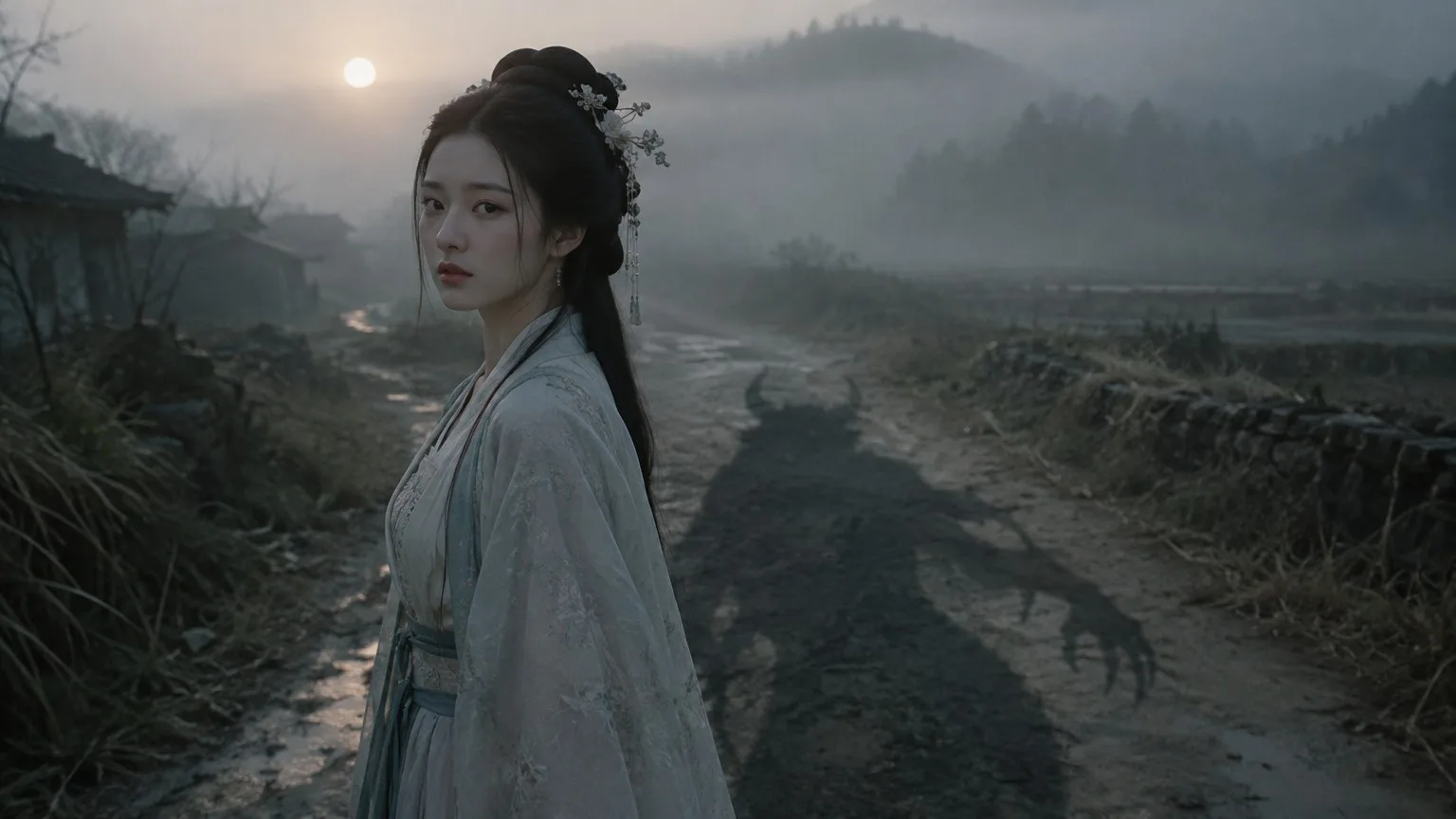
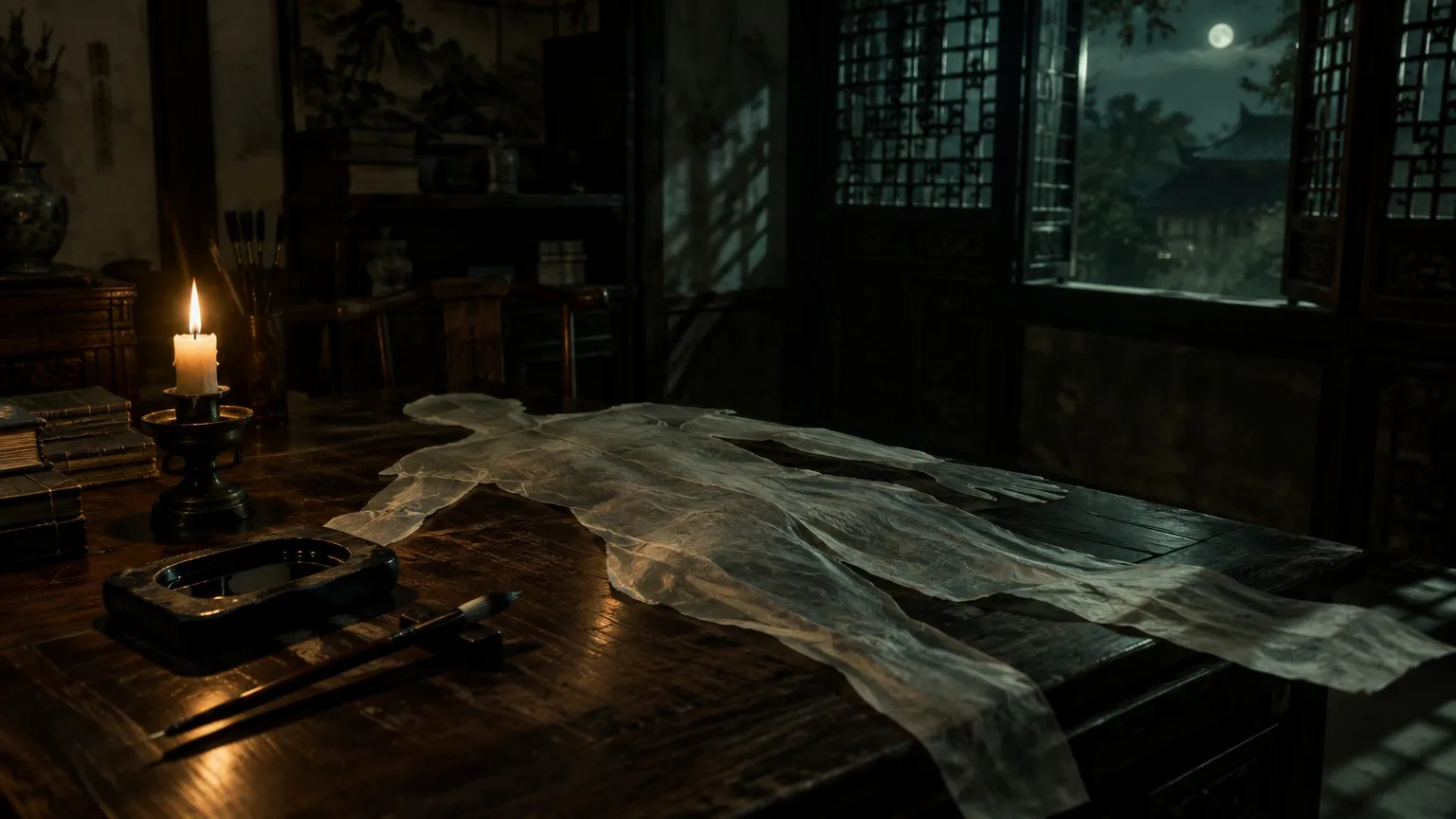
This story comes from Pu Songling's "Strange Tales from a Chinese Studio," written more than three hundred years ago. Of all the tales in that book, it is the one Chinese grandmothers have used for centuries to warn their sons. --- A scholar named Wang was walking home early one morning when he saw a young woman hurrying along the road alone, carrying a bundle. She was very beautiful, and she was crying. He asked what was wrong. She told him her parents had sold her as a concubine to a rich man, and that the man's wife beat her every day. She had run away. She had nowhere to go. Wang was married. He took her home anyway. He hid her in a quiet study at the back of his house, away from his wife's eyes. For a few days he was very happy. --- Then, in the market, a Taoist priest stopped him in the street and stared at his face. "What have you met?" the priest asked. "Nothing," said Wang. "You are surrounded by evil air," the priest said. "Death is close to you, and you do not even know it." Wang laughed. He thought the man wanted money. But the priest's words followed him home, and when he reached his study, he found the door barred from the inside. He climbed the wall and crept to the window. Inside, a creature was leaning over his desk. It had green skin and teeth like a saw. Spread across the desk in front of it was a human skin. The skin of a beautiful young woman, empty, laid flat like a sheet of paper. The creature was painting it. With a fine brush, it was carefully coloring in the lips. The cheeks. The eyebrows. When it finished, it lifted the skin by the shoulders, shook it out like a robe, and put it on. It was her again. --- Wang fled to the priest and begged for help. The priest gave him a horsehair fly-whisk and told him to hang it on the door of his bedroom. "It will not come in past this," he said. "Do not open the door. No matter what." That night Wang lay awake beside his wife. Near midnight they heard footsteps in the courtyard. Soft footsteps. Then a voice outside the bedroom door. "Husband," it said sweetly. "Let me in. I am cold." Wang said nothing. The footsteps paced. Back and forth. Back and forth. The voice grew sharper. "The priest thinks he can frighten me. I will not give up something already in my mouth." There was a tearing sound. The fly-whisk was ripped from the door and shredded. The door burst open. The woman walked straight to the bed, reached into Wang's chest with her bare hand, and tore out his heart. Then she was gone. --- Wang's wife ran screaming to the priest. He followed her to the house in a rage. The creature had disguised itself as an old woman and hidden in a neighbor's kitchen. The priest dragged it out into the courtyard and struck it with his wooden sword. The old woman's skin fell off like an empty coat. Underneath was the green demon, howling. The priest struck again, and it collapsed into thick black smoke, which he sucked into a gourd and sealed. He rolled up the skin. It was perfect. Eyebrows, eyes, hands, feet. Everything was there. "Can you bring my husband back?" the wife asked. The priest said he could not. But there was a madman in the marketplace, he said, who might. If she was willing to be humiliated. --- The madman was filthy and laughing, lying in a pile of garbage. When Wang's wife knelt and begged, he beat her with his stick, mocked her in front of the whole market, and finally coughed up a ball of phlegm and ordered her to swallow it. She did. He laughed and wandered away, and she went home in shame to wash her husband's body for burial. As she knelt over him, weeping, she began to retch. Something rose up from her throat and fell into the open wound in his chest. It was a heart. Still beating. By morning Wang was breathing again. He lived a long life, and he never again brought home a beautiful stranger he met on the road. --- The lesson his neighbors took from it was simple. The face you fall in love with may only be painted on. — "Painted Skin" (畫皮, Hua Pi) is one of the best-known tales in Pu Songling's 17th-century collection "Liaozhai Zhiyi." This is an English retelling of that public-domain story.